When making espresso, it is easy to keep your eyes on the machine. You watch the colour of the stream, check the timer and follow the cup as it fills. Yet some of the most useful information arrives afterwards, in a small sip. You do not need an elaborate tasting vocabulary to begin. Start with an ordinary question: am I enjoying this cup?
Think of a recipe as a place you can return to. Write down the coffee you are using, the weight of your dry dose, the weight of the drink in the cup and the time it took to brew. These numbers will not guarantee a delicious espresso. They give you a shared language for the next attempt. If every detail changes between cups, understanding the difference becomes difficult.
For your first comparison, resist the urge to adjust everything. Keep the coffee and dose consistent, then make a small change to your grind. Taste before deciding what to do next. The purpose is to connect an action with a result you can recognise. A number on a display is useful information, while your own taste helps you decide whether the change was welcome.
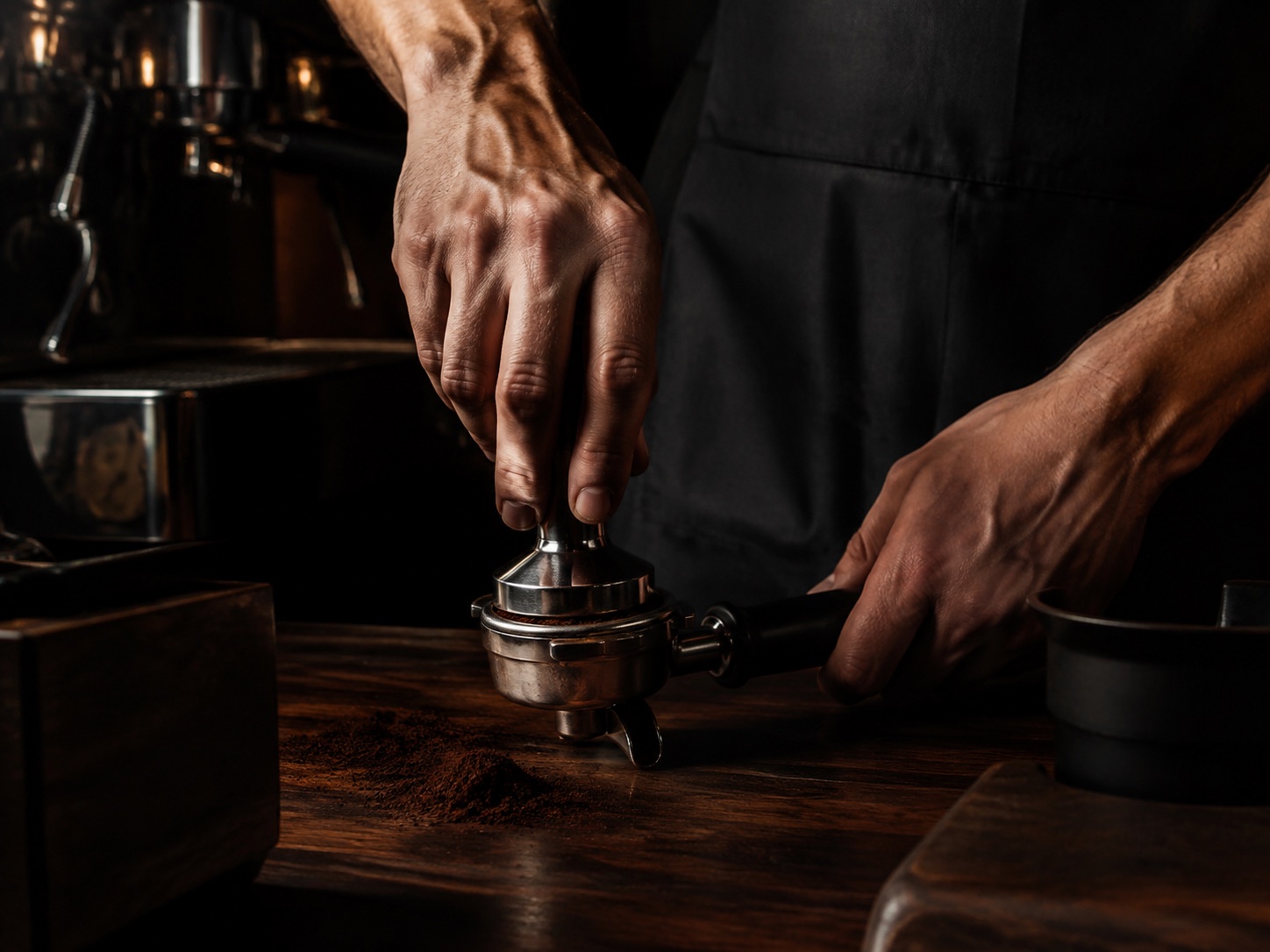
Give preparation the same attention. A clean, dry basket, an evenly prepared bed of coffee and a consistent working sequence make your attempts easier to compare. Rushing one cup and spending much longer preparing the next introduces another difference. Build a simple rhythm: weigh, prepare, brew, make a note and taste. With practice, that sequence can become comfortable enough to leave more attention for observation.
Before tasting, stir the coffee and let it reach a temperature you can comfortably drink. Notice its intensity, then the feeling it leaves in your mouth. Think about sweetness and the impression that remains afterwards. Everyday words such as rounded, sharp, light or drying can be useful. You are under no obligation to find a flavour someone else has named. A description matters when it helps you understand your own experience.
Comparing two cups side by side can be more revealing than relying on memory. If you prefer one, try to describe why. Does it feel fuller? Does its finish stay with you? If you usually drink your espresso with milk, explore the result in your preferred drink as well. Coffee experienced on its own can feel different when it becomes part of a larger cup.
When you open a different bag, give it room to be different. Your previous notes are helpful reference points, but they are not a promise that one setting will suit every coffee. Make small, deliberate adjustments and keep tasting. A cup that differs from the last one is not automatically a failed attempt. Sometimes the difference is the most interesting thing you have discovered that morning.
At Kahveye Yönelik, this curiosity is central to how we approach espresso. We build the question together and taste our way towards an answer. Before making your next coffee, try writing one sentence: what would I like to understand today? It turns a familiar routine into a small opportunity to learn, with a cup of coffee waiting at the end.